Math: Side by SideNotice More. Wonder Together.

Literacy, math & a little shared wonder

Open a book.
Open a conversation.

Read a picture book with a mathematical idea at its heart. Notice the pictures, wonder about the quantities, and make sense of the story together.

Let the story lead. Read for enjoyment, then revisit a page that invites a mathematical question. Choose one idea to explore together.

Picture books with a math theme

Find your next read-together.

Choose a grade band for book suggestions, mathematical connections, and a question to start with. Ask your library for a title that catches your child’s interest.

These bands are suggestions for shared reading. Choose by your child’s interests and the math you want to explore; revisit a familiar picture book with a deeper question anytime.

PreK–K · 6 books to explore

Little stories. Big noticing.

Count a collection, compare sizes, and describe shapes. Pictures give everyone a way into the math.

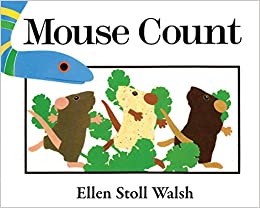
Cover of Mouse Count

Counting · Parts of 10

Mouse Count

By Ellen Stoll Walsh

Story → math A snake gathers ten mice, and the mice find a way to escape. Follow how the collection grows and changes.

Wonder together“We have ten mice altogether. If four are outside the jar, how many could still be inside? Show me your thinking.”
Try it together after reading

Use ten counters as mice and a drawn circle as the jar. Move some out, hide the rest, and work out the missing part together.

DREME storybook guide ↗ for Mouse Count
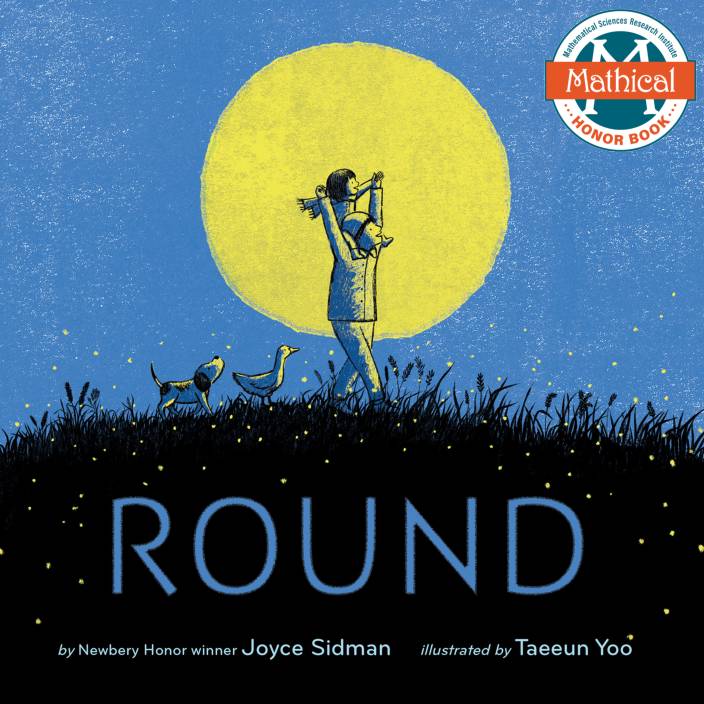
Cover of Round

Shapes · Curves & circles

Round

By Joyce Sidman

Story → math A child finds roundness throughout the natural world. Use the illustrations to compare flat circles with rounded objects.

Wonder together“Which round things could you roll? Which could you trace around? What is different about them?”
Try it together after reading

Gather a lid, a ball, and a paper circle. Compare their edges and surfaces, then find something in the book that reminds you of each.

DREME storybook guide ↗ for Round
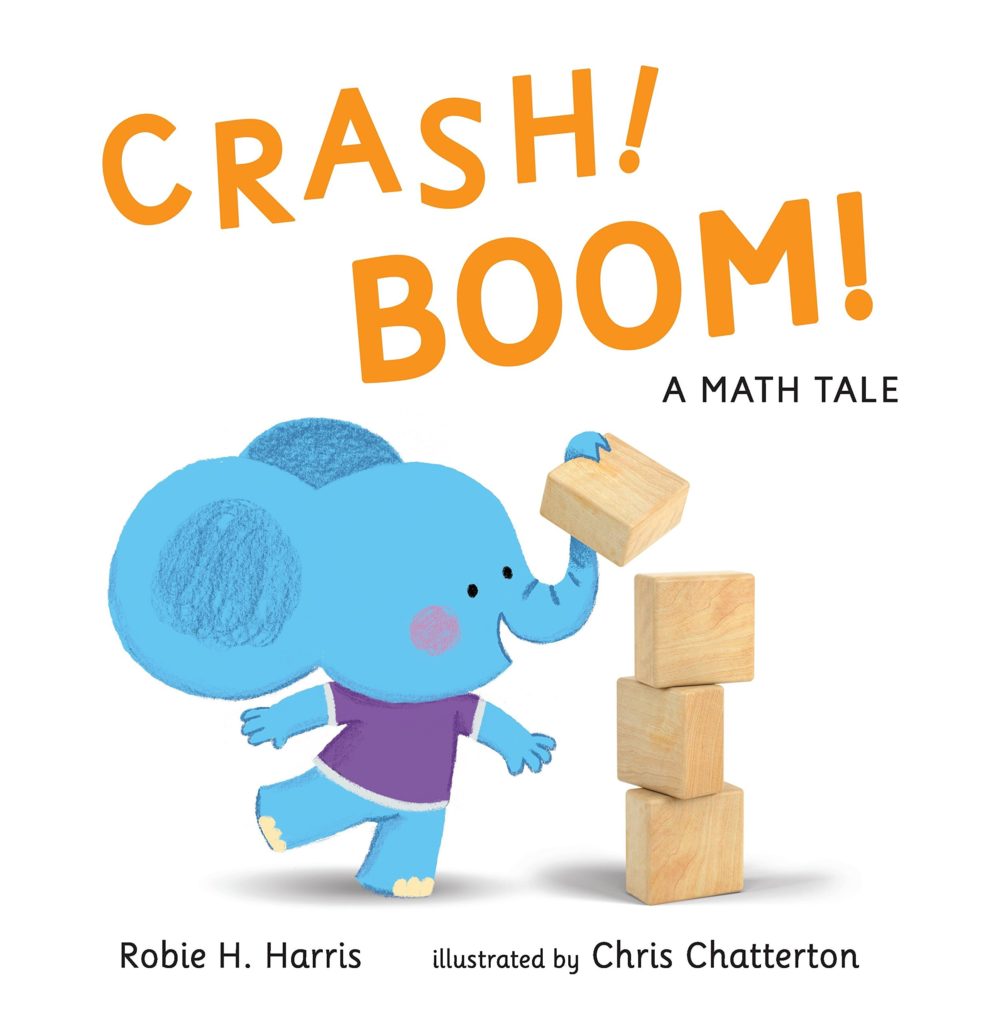
Cover of Crash! Boom! A Math Tale

Measurement · Building & counting

Crash! Boom! A Math Tale

By Robie H. Harris

Story → math Elephant builds towers to match its own height. Turning and rearranging the blocks changes how many are needed.

Wonder together“Could two towers be equally tall but use different numbers of blocks? How could we find out?”
Try it together after reading

Build one tower with blocks standing tall and another with blocks lying flat. Line up the bottoms before comparing their heights.

DREME storybook guide ↗ for Crash! Boom! A Math Tale
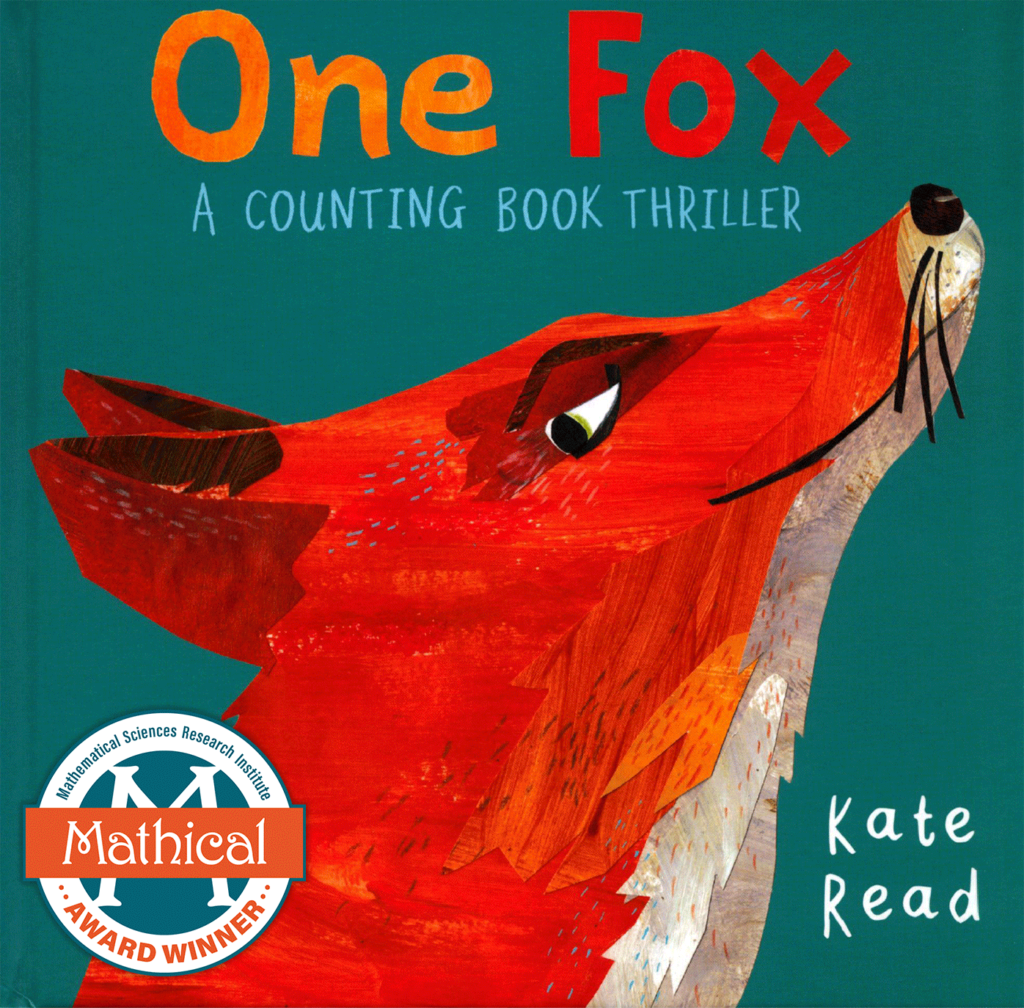
Cover of One Fox: A Counting Book Thriller

Counting · Comparing quantities

One Fox: A Counting Book Thriller

By Kate Read

Story → math A fox’s visit to a henhouse unfolds through numbers and pictures. Small collections lead to a much larger surprise.

Wonder together“Can you find two collections on this page? How could we tell which has more without losing track?”
Try it together after reading

Choose a small pictured group and build a matching group with counters. Spread the counters out and ask whether the amount changed.

DREME storybook guide ↗ for One Fox: A Counting Book Thriller
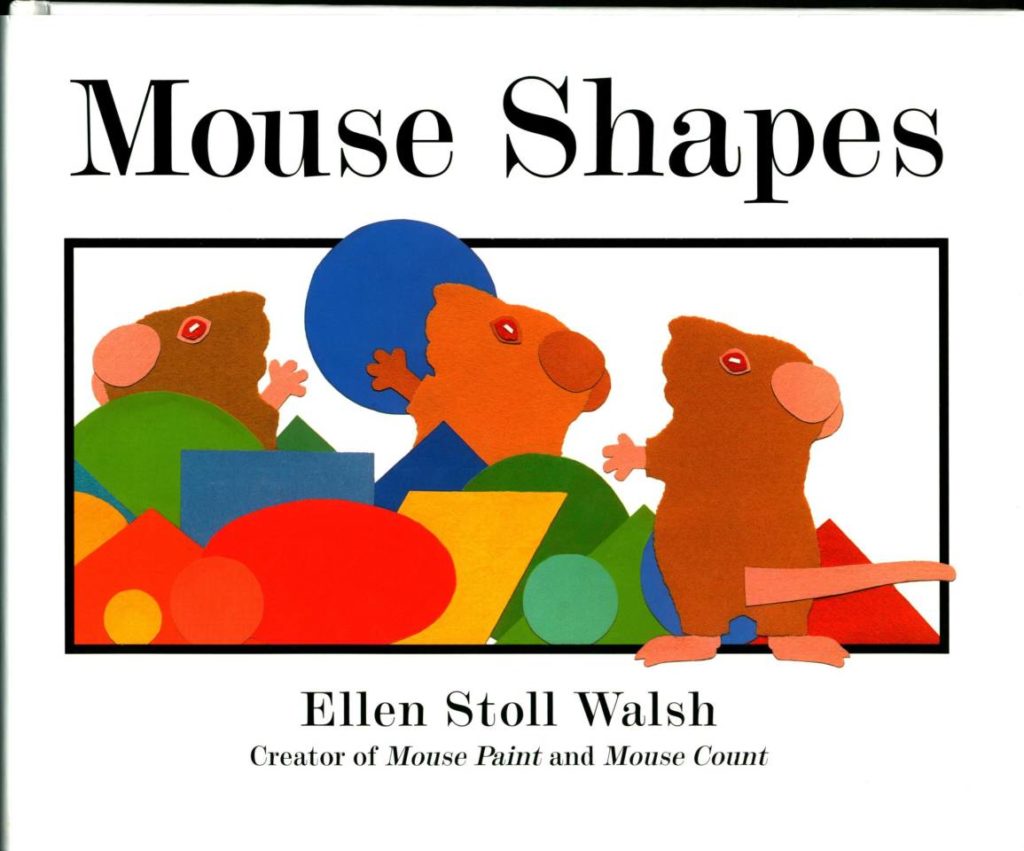
Cover of Mouse Shapes

Geometry · Composing shapes

Mouse Shapes

By Ellen Stoll Walsh

Story → math Three mice turn a collection of shapes into pictures and a clever plan. Look at how smaller shapes combine to make something new.

Wonder together“What could we build using two triangles? How would turning one triangle change our picture?”
Try it together after reading

Use paper shapes to make two different animals. Point out the shapes in each, then rearrange the same pieces into something new.

DREME storybook guide ↗ for Mouse Shapes
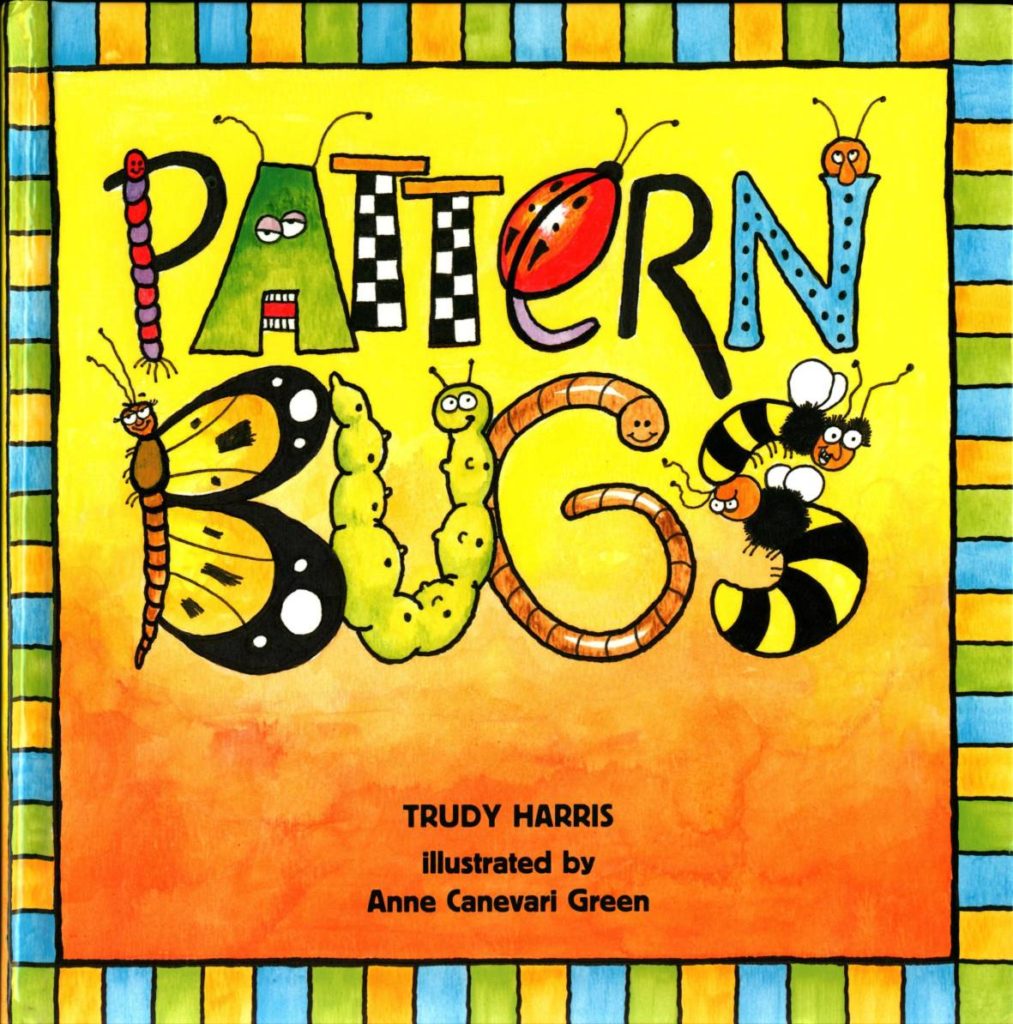
Cover of Pattern Bugs

Patterns · Repeating units

Pattern Bugs

By Trudy Harris

Story → math Bugs move and make sounds in repeating patterns. The pictures and page borders offer another way to see the repetition.

Wonder together“What is the smallest part that repeats? Can we show that same pattern with claps and taps?”
Try it together after reading

Build a repeating pattern with two kinds of blocks. Have a partner name the repeating part, extend it, and make a sound pattern with the same structure.

DREME storybook guide ↗ for Pattern Bugs

Grades 1–2 · 6 books to explore

See the parts. Find the connections.

Explore joining and separating, groups of equal size, and the shapes hiding in everyday places.

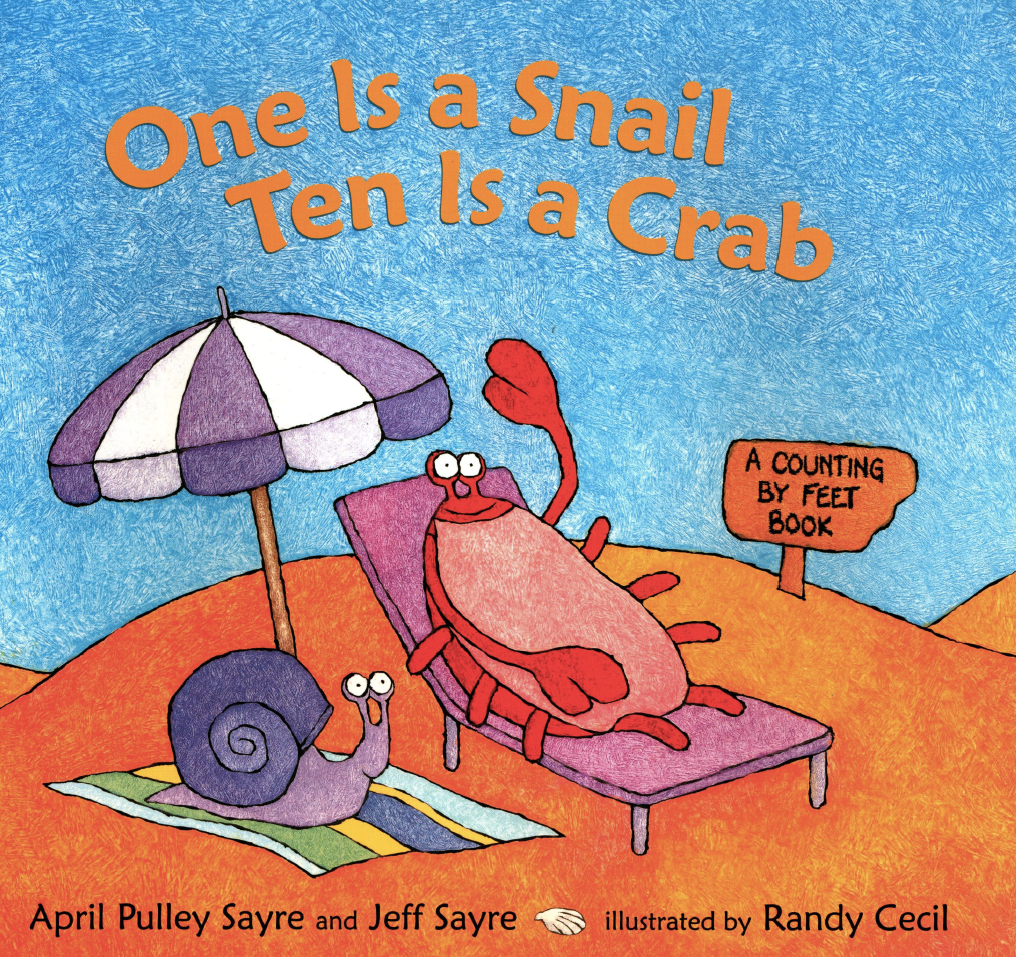
Cover of One Is a Snail, Ten Is a Crab

Addition · Grouping & tens

One Is a Snail, Ten Is a Crab

By April Pulley Sayre & Jeff Sayre

Story → math The feet of snails, people, and other animals become ways to build numbers. Keep track of feet as the unit you are counting.

Wonder together“Can you make twenty feet in two different ways? What stays the same when the animals change?”
Try it together after reading

Draw two beach scenes with twenty feet each. Write an addition equation for each scene and explain which part matches each animal.

DREME storybook guide ↗ for One Is a Snail, Ten Is a Crab
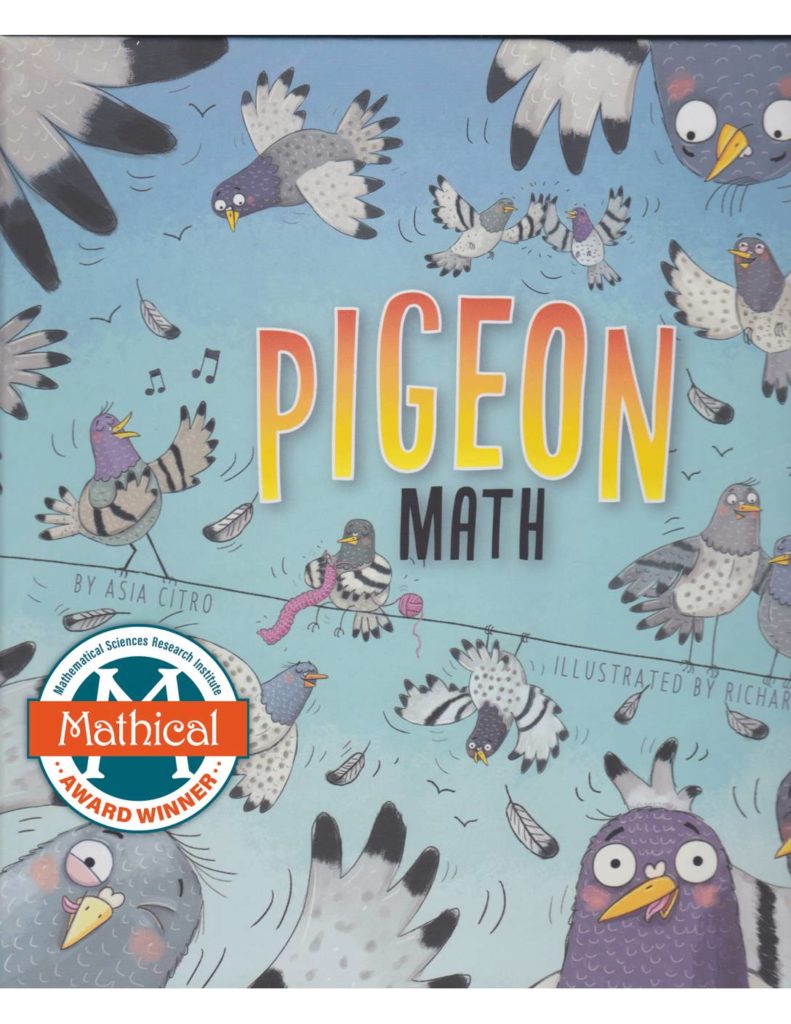
Cover of Pigeon Math

Addition & subtraction · Change

Pigeon Math

By Asia Citro

Story → math Pigeons keep leaving and returning to a wire. The changing scene gives a reason to add, subtract, and keep track.

Wonder together“How could we show what changed with counters and an equation? Where do we see each number in the picture?”
Try it together after reading

Draw a wire and place ten counters on it. Invent a page where some pigeons leave and some return; tell the math story before writing an equation.

DREME storybook guide ↗ for Pigeon Math
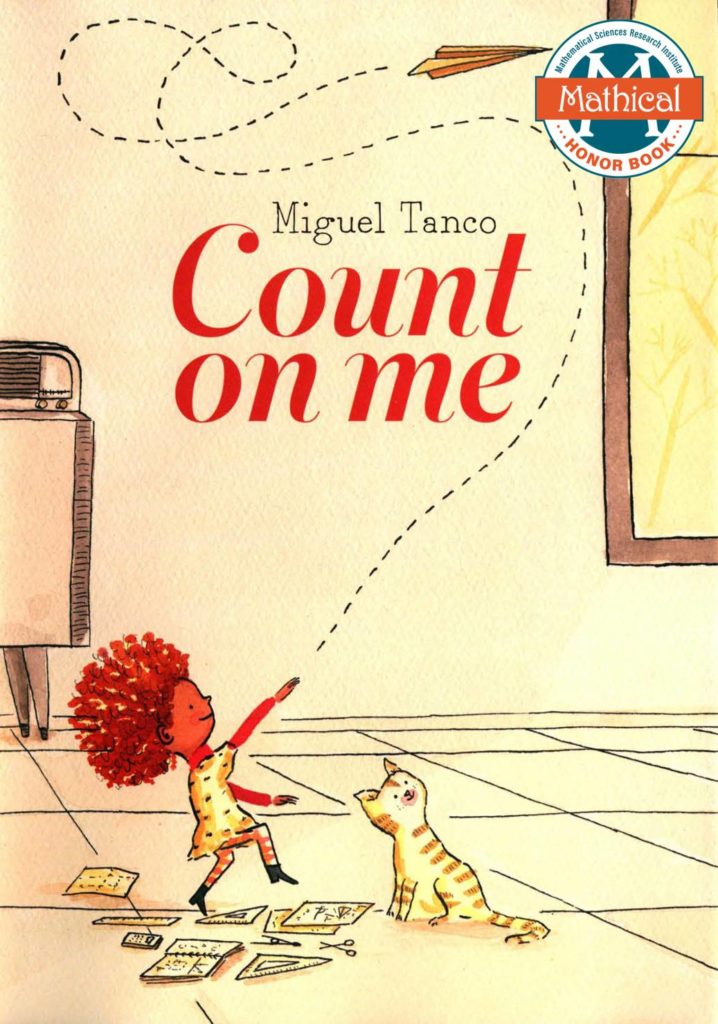
Cover of Count on Me

Geometry · Seeing yourself in math

Count on Me

By Miguel Tanco

Story → math A girl’s favorite way to see the world is through math. Her discoveries invite readers to notice shapes and patterns in familiar places.

Wonder together“Which picture makes you think about math? Can you point to a shape or pattern and explain what you see?”
Try it together after reading

Make a one-page picture book called “The Math I Notice.” Draw something from home or a walk and label the mathematical idea you found.

DREME storybook guide ↗ for Count on Me
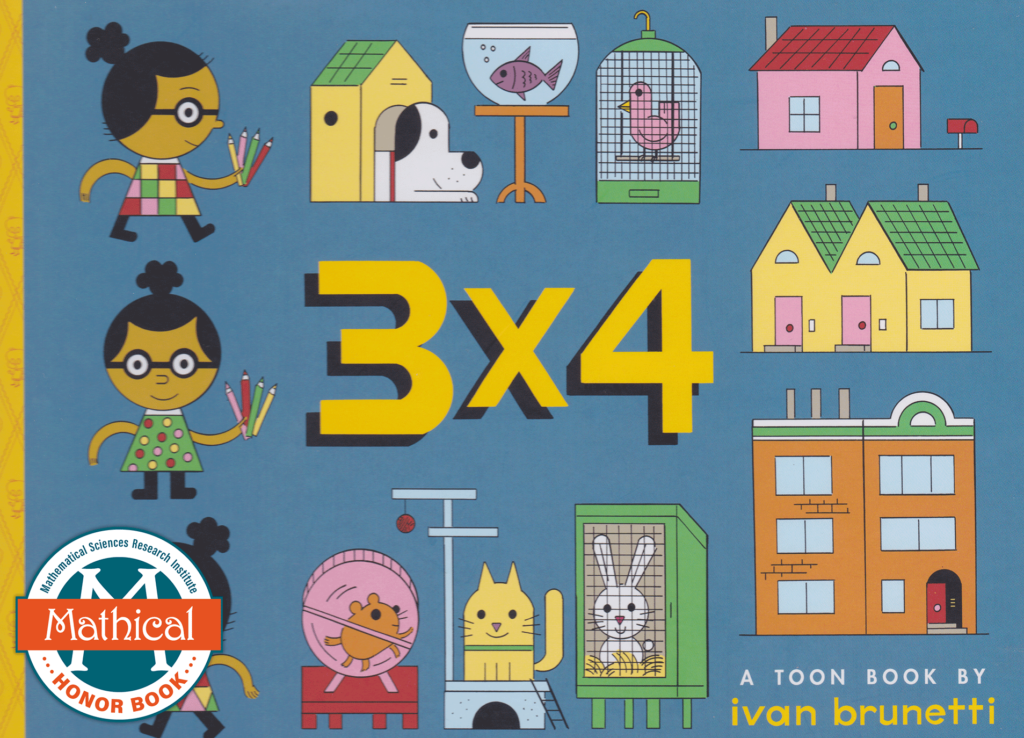
Cover of 3×4 (Three Times Four)

Equal groups · Early multiplication

3×4 (Three Times Four)

By Ivan Brunetti

Story → math A class draws twelve things in many arrangements. Compare equal groups and rows while keeping the total in view.

Wonder together“How could you arrange twelve counters so someone sees the total quickly? Can you organize them another way?”
Try it together after reading

Arrange twelve counters in equal rows. Describe the number of rows and the number in each row, then connect the picture to repeated addition.

DREME storybook guide ↗ for 3×4 (Three Times Four)
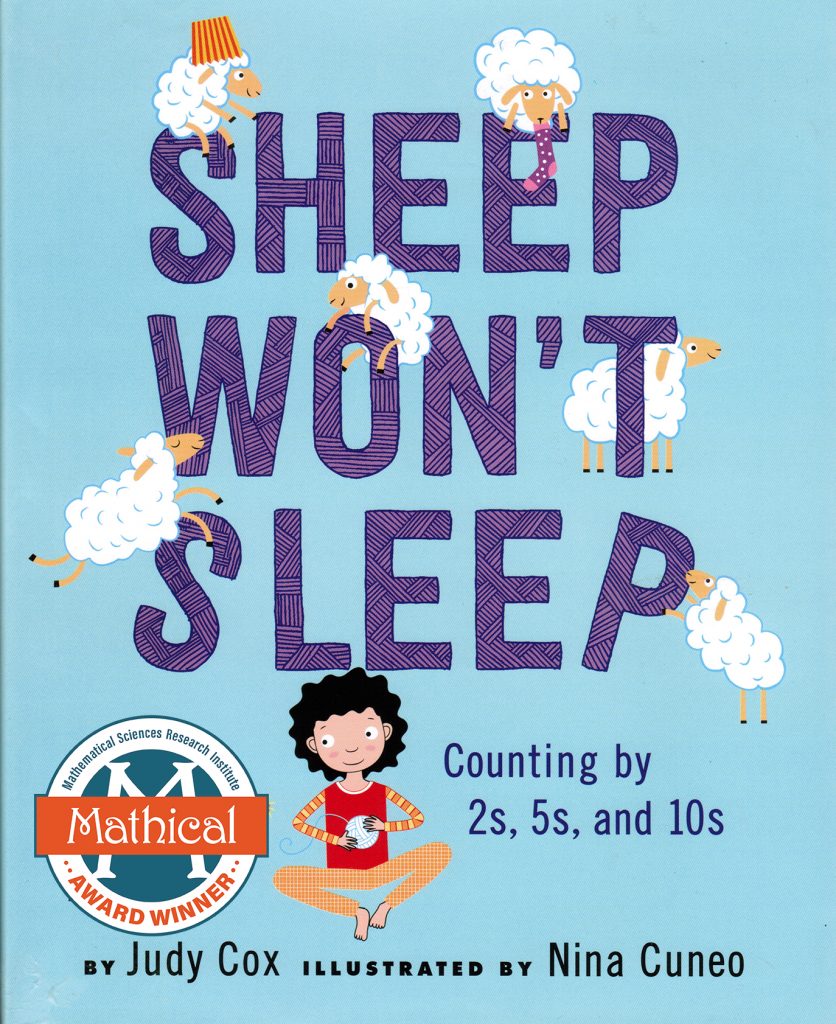
Cover of Sheep Won’t Sleep: Counting by 2s, 5s, and 10s

Skip-counting · Equal groups

Sheep Won’t Sleep: Counting by 2s, 5s, and 10s

By Judy Cox

Story → math Clarissa’s counting brings sheep, alpacas, llamas, and yaks into her room. Their groups make counting by twos, fives, and tens meaningful.

Wonder together“If we counted the same collection by twos and then by fives, would the total change? How could we check?”
Try it together after reading

Arrange twenty counters into pairs, then groups of five, then groups of ten. Count each arrangement and describe how the groups changed while the total stayed the same.

DREME storybook guide ↗ for Sheep Won’t Sleep: Counting by 2s, 5s, and 10s
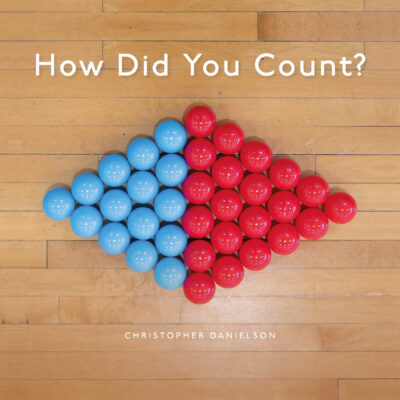
Cover of How Did You Count?

Number sense · Counting strategies

How Did You Count?

By Christopher Danielson

Story → math Photographs of everyday objects invite readers to count in different ways. Compare the groups you see and the strategies that help you keep track.

Wonder together“Where did you start counting? Can you show a different way to organize the same collection?”
Try it together after reading

Arrange a handful of objects for someone else to count. Compare your methods, then rearrange the objects to make one of those methods easier to see.

Mathical book page ↗ for How Did You Count?

Grades 3–5 · 6 books to explore

Picture books. Deeper mathematical ideas.

Explore fractions, growing quantities, precise measurement, and data. A shared story can hold a surprisingly big mathematical idea.

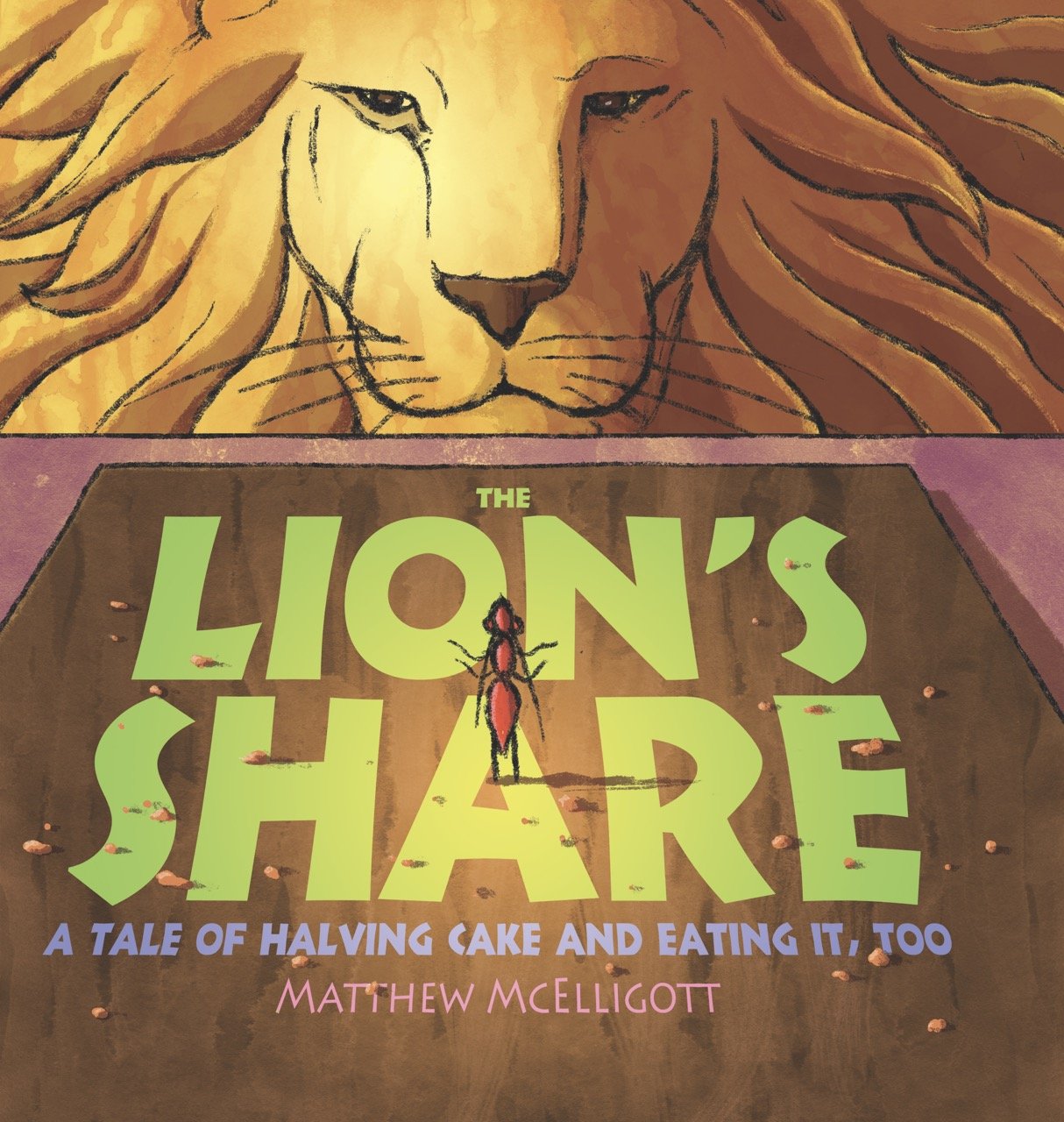
Cover of The Lion’s Share

Fractions · Halving & doubling

The Lion’s Share

By Matthew McElligott

Story → math Dinner guests keep taking half the remaining cake, then compete to offer more cakes. The story makes shrinking parts and growing quantities visible.

Wonder together“If everyone takes half of what is left, do they get equal amounts? What is each share a fraction of?”
Try it together after reading

Let one paper strip stand for the original cake. Fold it into halves, fourths, and eighths. Keep the original whole visible as you compare the shares.

Author’s book page ↗ for The Lion’s Share
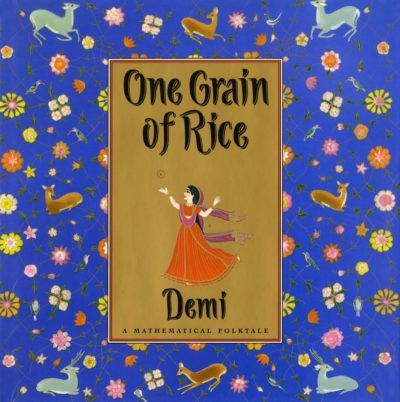
Cover of One Grain of Rice: A Mathematical Folktale

Doubling · Multiplication & growth

One Grain of Rice: A Mathematical Folktale

By Demi

Story → math Rani asks for rice in amounts that double each day. A small beginning becomes a powerful way to investigate a growing pattern.

Wonder together“How is doubling the previous day’s amount different from adding two grains each day? When do the patterns pull apart?”
Try it together after reading

Make two tables for six days: start both at one, then double in one table and add two in the other. Compare each day and predict day seven.

Mathical book page ↗ for One Grain of Rice: A Mathematical Folktale
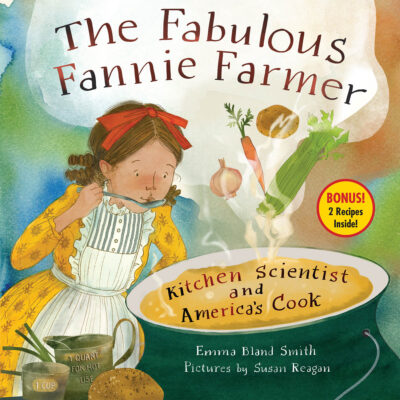
Cover of The Fabulous Fannie Farmer: Kitchen Scientist and America’s Cook

Measurement · Units & fractions

The Fabulous Fannie Farmer: Kitchen Scientist and America’s Cook

By Emma Bland Smith

Story → math This picture book biography follows Fannie Farmer’s work to make recipes precise. Cooking becomes a reason to use consistent units and compare amounts.

Wonder together“Why might “one cup” help another cook more than “some”? What would need to change if we made half a recipe?”
Try it together after reading

Use dry rice and measuring cups to compare one whole cup with halves and fourths. Explain how the pieces make the same amount before scaling a pretend recipe.

Mathical book page ↗ for The Fabulous Fannie Farmer: Kitchen Scientist and America’s Cook
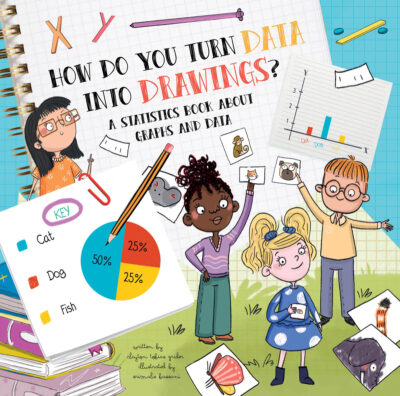
Cover of How Do You Turn Data into Drawings?

Data · Graphs & comparisons

How Do You Turn Data into Drawings?

By Clayton Grider

Story → math Charts and illustrations introduce collecting information and representing it. Look at how a graph helps tell a story about a set of data.

Wonder together“What can we learn from this graph? Which labels or scale marks do we need before making a fair comparison?”
Try it together after reading

Sort a collection of blocks by color, record the counts, and draw a bar graph. Have someone else explain what the graph shows using its title, labels, and scale.

Mathical book page ↗ for How Do You Turn Data into Drawings?
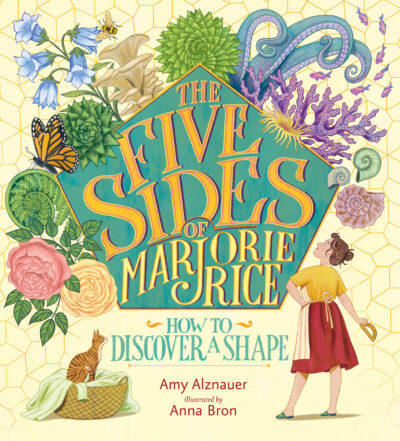
Cover of The Five Sides of Marjorie Rice: How to Discover a Shape

Geometry · Tessellations & discovery

The Five Sides of Marjorie Rice: How to Discover a Shape

By Amy Alznauer

Story → math Marjorie Rice’s curiosity about patterns leads to discoveries about five-sided shapes. Her story connects drawing, persistence, and mathematical investigation.

Wonder together“What would need to happen for copies of a shape to cover a surface without gaps or overlaps? How could we test it?”
Try it together after reading

Trace and cut several copies of one triangle or quadrilateral. Turn and slide them to try to cover a small area. Sketch your arrangement and explain what you notice where corners meet.

Mathical book page ↗ for The Five Sides of Marjorie Rice: How to Discover a Shape
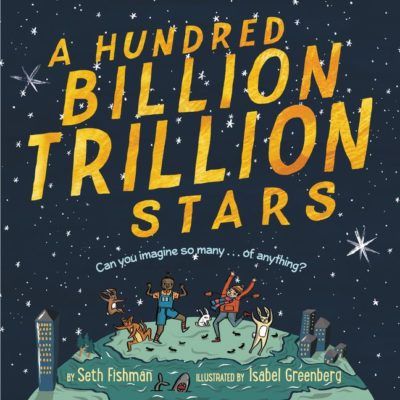
Cover of A Hundred Billion Trillion Stars

Large numbers · Estimation & scale

A Hundred Billion Trillion Stars

By Seth Fishman

Story → math Illustrations make enormous quantities feel a little more imaginable. Use the book’s big-number comparisons to explore scale and how estimates are made.

Wonder together“How could we estimate a collection that is too large to count one by one? What smaller group could help?”
Try it together after reading

Fill a page with small dots arranged in groups. Count one group and use the number of groups to estimate the total. Explain when that estimate would be reasonable.

Mathical book page ↗ for A Hundred Billion Trillion Stars

Math can be part of the story

Notice what is already on the page.

Numbers & parts

See the group.

A picture has five birds in a tree and two on the ground.

Wonder together“How many birds do you see? How did you group them?”

Let a drawing or a finger show the parts. Then return to what the birds are doing in the story.

Patterns & prediction

Notice what repeats.

A picture or sentence follows a repeating pattern.

Wonder together“What keeps repeating? What do you think will come next?”

Explain the prediction using the part that repeats. Make a clap or movement pattern of your own.

Measurement & language

Compare with care.

Characters carry things that are longer, taller, heavier, or smaller.

Wonder together“Smaller in what way? What could we compare?”

Act out a comparison with objects nearby. Talk about which word best describes it.

Shapes & space

Describe a place.

An illustration shows a house, a journey, or a hiding place.

Wonder together“What shapes can you find? How would you tell someone where the character is?”

Use words like beside, behind, above, and between. Build or sketch part of the scene.

Original examples from Math: Side by Side, connected to the early math categories in DREME’s Reading Together collection.

A little support, side by side

Need more help?
Want something curated for your child?

I’m available to help you find a starting point and choose tools, questions, and experiences that fit your child’s learning needs.

Reach out